
Fisheries
Fisheries have long been one of the cornerstones of economic activity in the capital area and play a key role in the operations of the Ports of Faxaflói.
The industry
Port Area and Services
Services for the fishing industry are one of the core pillars of the Ports of Faxaflói, with a strong emphasis on quality service for seafood companies. A wide range of activities take place within the port areas, and fisheries have been an integral part of operations from the beginning and will continue to be so.
The port serves a large number of fishing vessels and processing companies that rely on safe and efficient infrastructure for landing, storage, and export of seafood products. This activity creates numerous jobs, both within the port area and in related industries. The strong position of fisheries is an important factor in the operations of the Ports of Faxaflói and supports the continued development of port infrastructure.
Fisheries are also an important part of the cultural and social identity of the port area. The Ports of Faxaflói bring together tradition and modern industry, where fisheries, innovation, and sustainability go hand in hand.
Port Facilities
See more
Landing
Weighbridges Available
The weighbridges in Reykjavík and Akranes are open Monday to Friday.
Opening hours for weighbridges
See more
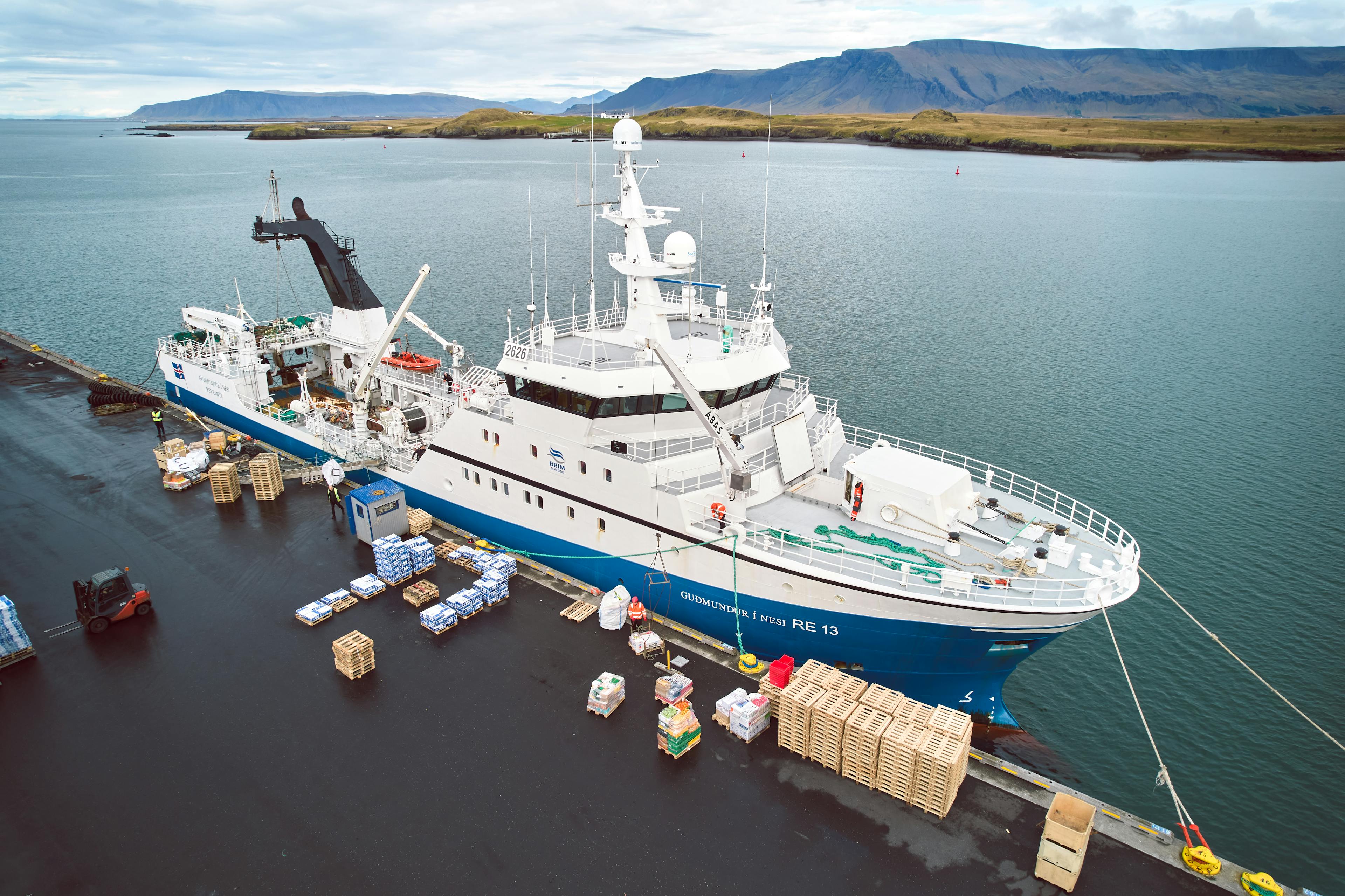
Service charges
Rates and dues
Fees must be paid for services such as catch handling, cargo handling, and berth fees for fishing vessels using the services of the Ports of Faxaflói. Further information can be found in the schedule of rates and dues of the Ports of Faxaflói.
Key Figures
Important fishing ports
The Old Harbour in Reykjavík has over a century of history in fisheries and industry and is closely intertwined with the social changes that have taken place in the capital and across Iceland. New industries have grown significantly in recent decades and have made a strong mark on harbour life.
The ports in Reykjavík are important groundfish ports, and within the operational area of the Ports of Faxaflói in Reykjavík, it is encouraging to see that fisheries remain an important part of operations, just as they have been in the past.
Key figures
See more